

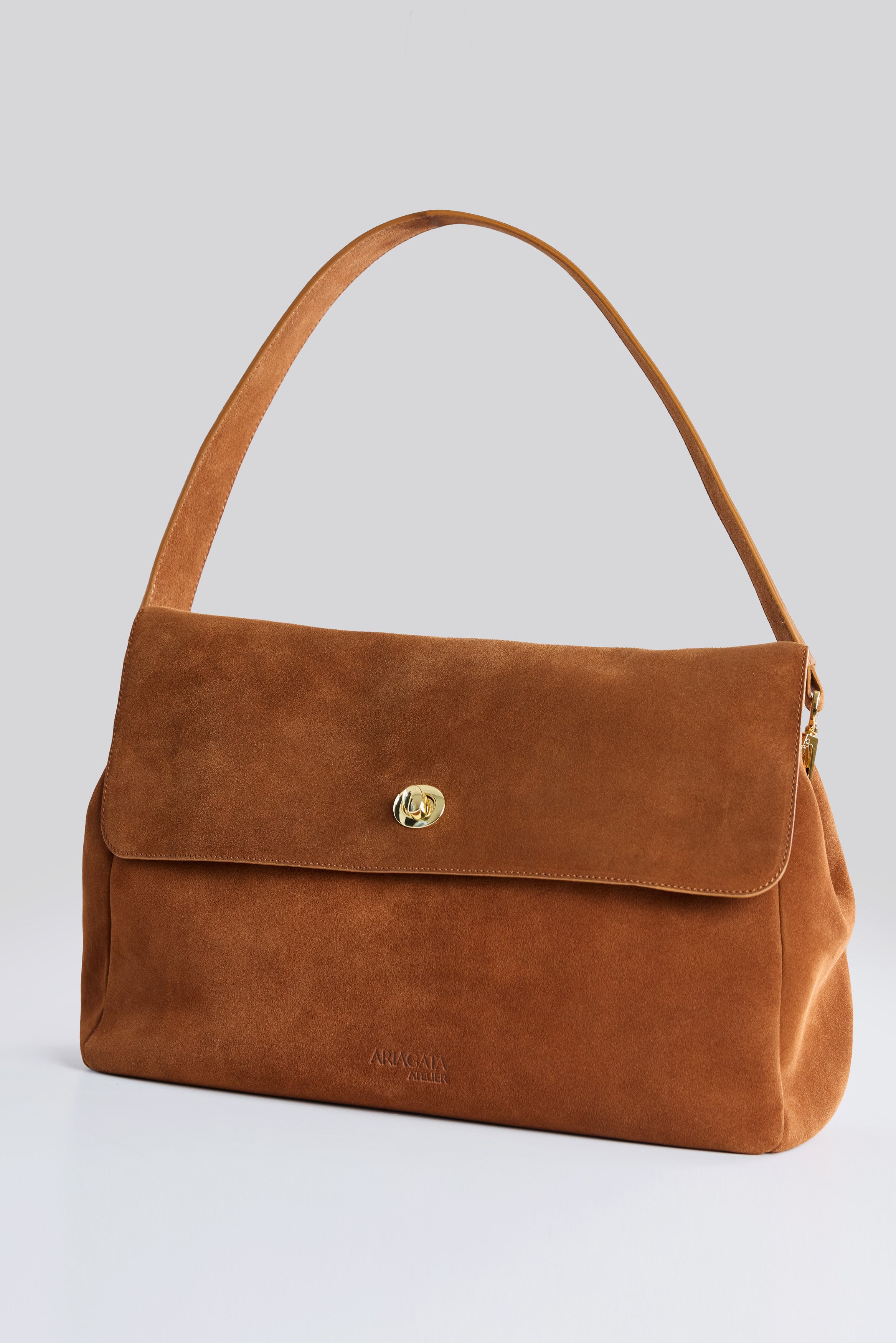
Why Our Bags Cost More — And Why That's the Point
I spent years in the corporate world watching good ideas die in PowerPoint. Decisions made for political reasons, not impact. The same conversation held 500 times across five hierarchical layers — and at the end of it all, someone asks for a cleaner slide deck.
I wanted out. Not just out of that job — out of that way of working entirely. I wanted to build something I could touch. Something with a direct line between the work I put in and the person who receives it.
That's Ariagata Atelier. And that's why every decision — especially on materials — is made the hard way.
The Materials: No Shortcuts, No Exceptions
Leather: LWG-Certified, Selected at Lineapelle
I source our leather personally at Lineapelle, the world's most important leather fair. Twice a year, the best tanneries on earth show up in one place. I walk those halls, touch the hides, and choose only leather that meets Leather Working Group (LWG) certification — strict, independently audited standards for water usage, chemical handling, and waste management. Nobody does this for me. I do it because I know what's at stake.
Lining: Heritage Spanish Cotton
Inside every bag: 100% cotton from a heritage Spanish textile manufacturer. I could have used polyester. It would have been cheaper and easier. I didn't, because you'll feel the difference every single day — even if you never consciously notice it.
Hardware: The Best, Full Stop
Our hardware is partly made in Spain. Our custom closure comes from a specialist in China, crafted from 100% sustainable stainless steel. I chose them because they are simply the best at this. Geography was never the criteria. Quality was.
The Craft: Eight Months of Not Settling
I had no background in fashion. No design degree. No industry contacts when I started. What I had was a clear vision and a refusal to ship something I wasn't proud of.
Product development took eight months. There were delays — suppliers who went quiet over holidays, prototypes that weren't right, negotiations conducted in Spanish, which I only learned on the go living in Mexico. I did all of it alone. Every email, every factory visit, every rejection.
Getting suppliers to even talk to a new brand ordering smaller quantities than they're used to? Harder than I expected. Some said no. I kept going.
The result is a bag I can stand behind completely — because I know exactly what went into it, and exactly who made it.
The Value: Buy Once, Buy Better
A €50 bag that falls apart in a year costs more, in the end, than one that lasts a decade. I built Ariagata for people who think the same way.
- Longevity — 5–10+ years with proper care
- Timeless design — nothing trend-driven, nothing disposable
- Ethical production — fair wages, sustainable materials, full traceability
- Real value — fewer bags, less waste, more meaning
Frequently Asked Questions
What is LWG-certified leather?
An independent audit standard for tanneries, measuring water usage, chemical management, and waste reduction. Only a fraction of tanneries worldwide qualify. Ours do.
Why source hardware from China?
Because the best sustainable stainless steel producer for our custom closure is there. I choose partners on quality and ethics — not a postcode.
How long will my bag last?
5 to 10+ years with proper care. The leather ages beautifully — it develops character instead of showing wear.
Do you sell directly?
Yes. No department stores, no middlemen. That direct connection to you is part of why I built this in the first place.
More from the journal

Luxury Laptop Bags That Look Like Designer Handbags (Not Work Bags)
The Work Bag That Doesn't Look Like One I was tired of the choice women were being offered: a beautiful bag that can't fit a laptop, or a laptop bag that looks like you're going to an IT conference...

Why Genuine Leather Handbags Outlast and Outperform Vegan Leather Alternatives
Is "Vegan Leather" Actually Better for the Planet? I looked into this deeply before choosing our materials. The answer genuinely surprised me — and I think you deserve to know what I found. Most V...
Top products
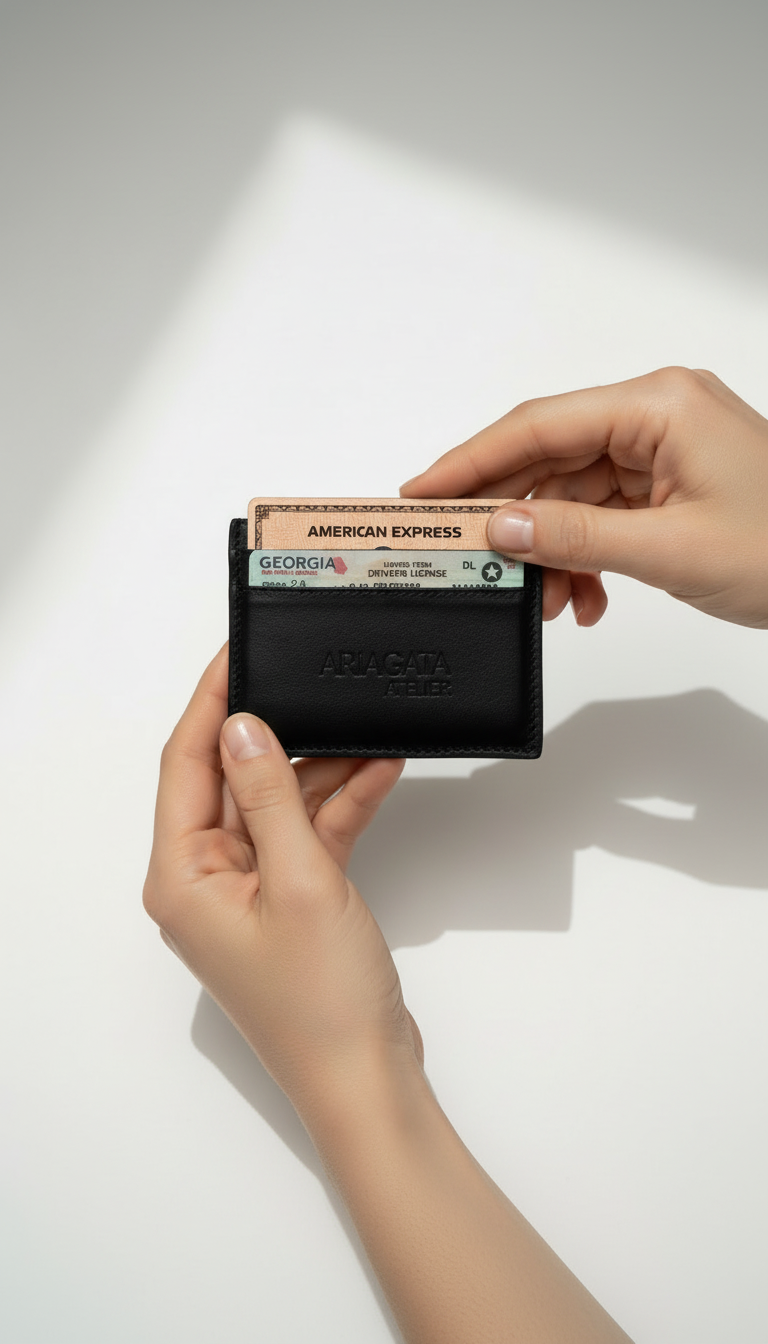
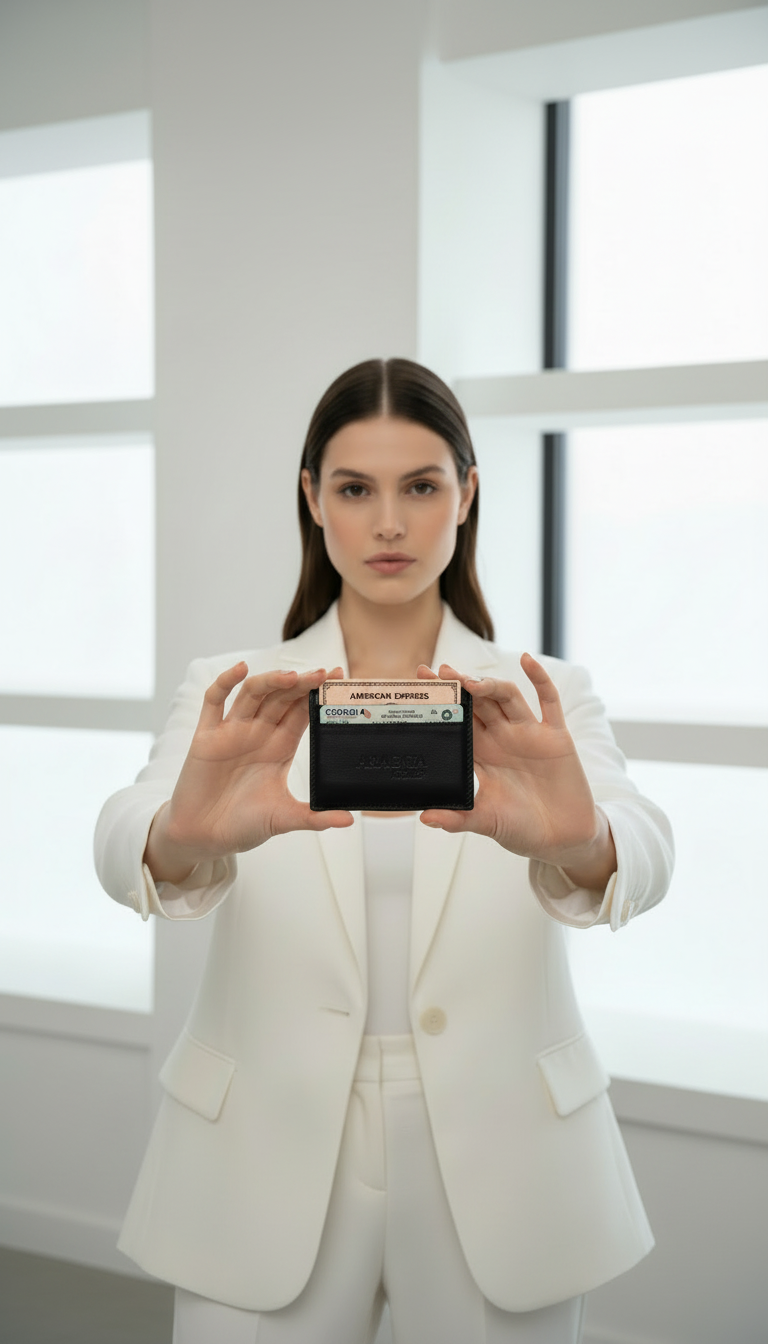
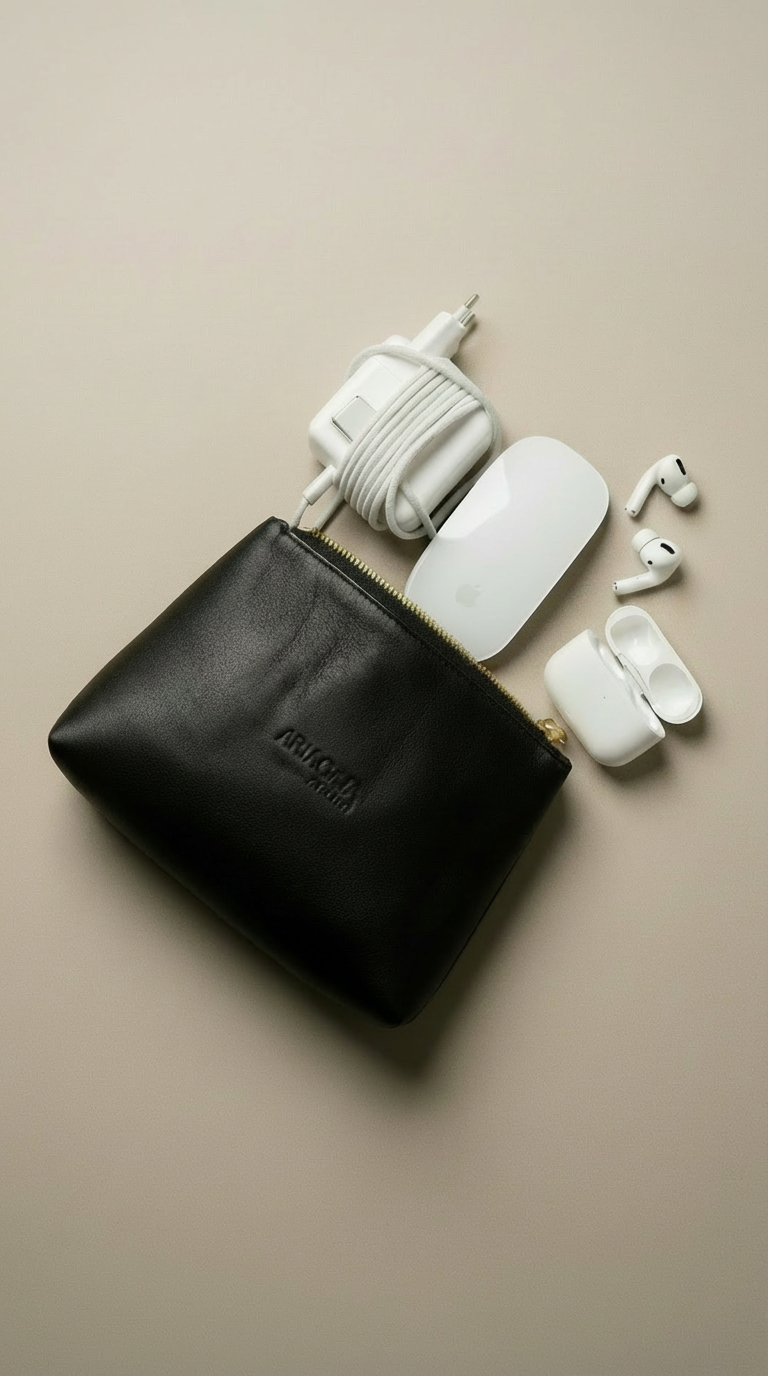
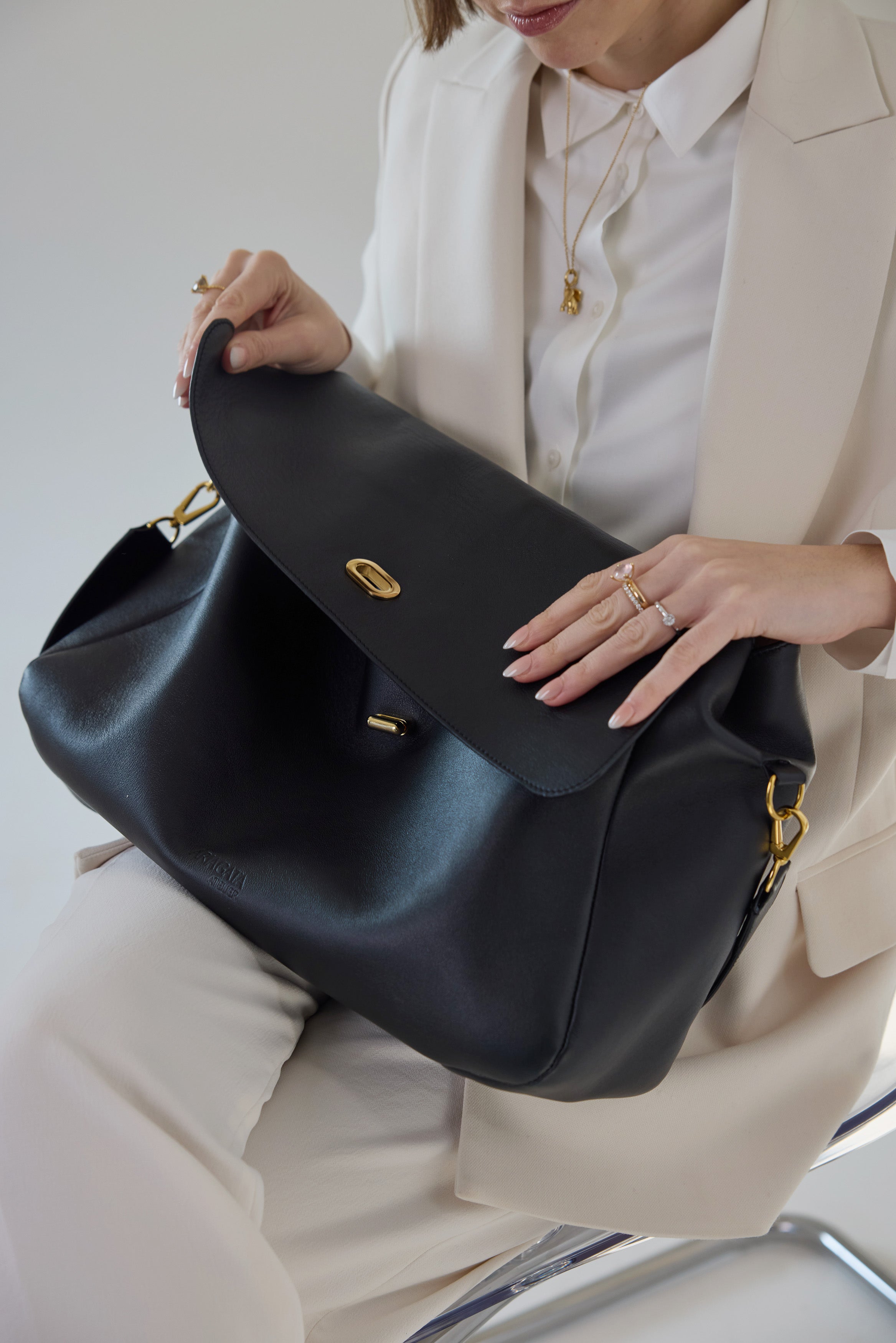

MADE WITH CARE ABOUT YOU
Handcrafted bags designed to support your daily life in style

SHINES IN EVERY SETTING
From office to evening outings — one bag, endless possibilities